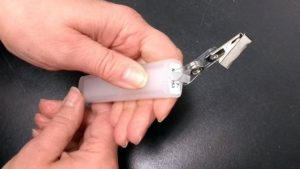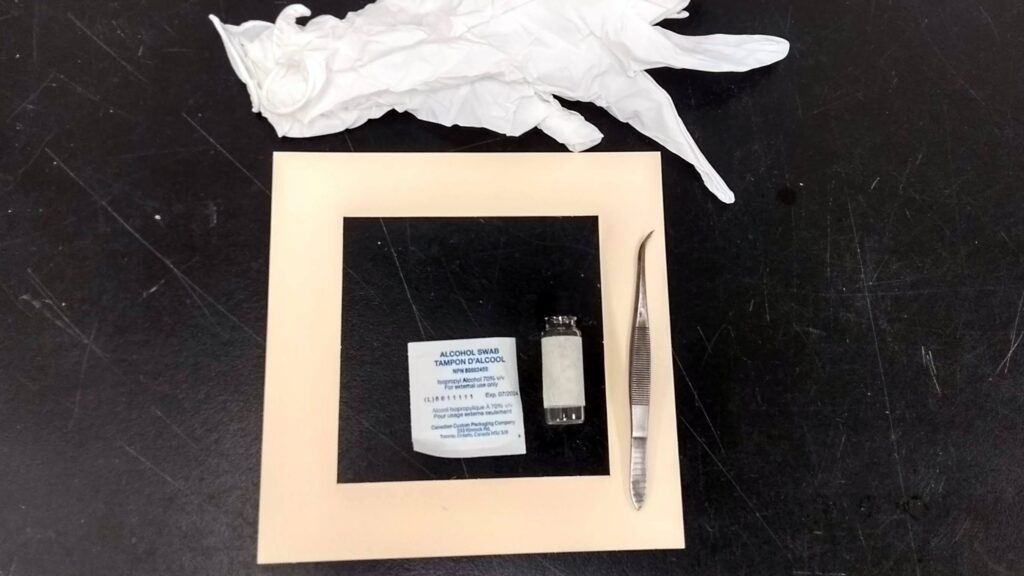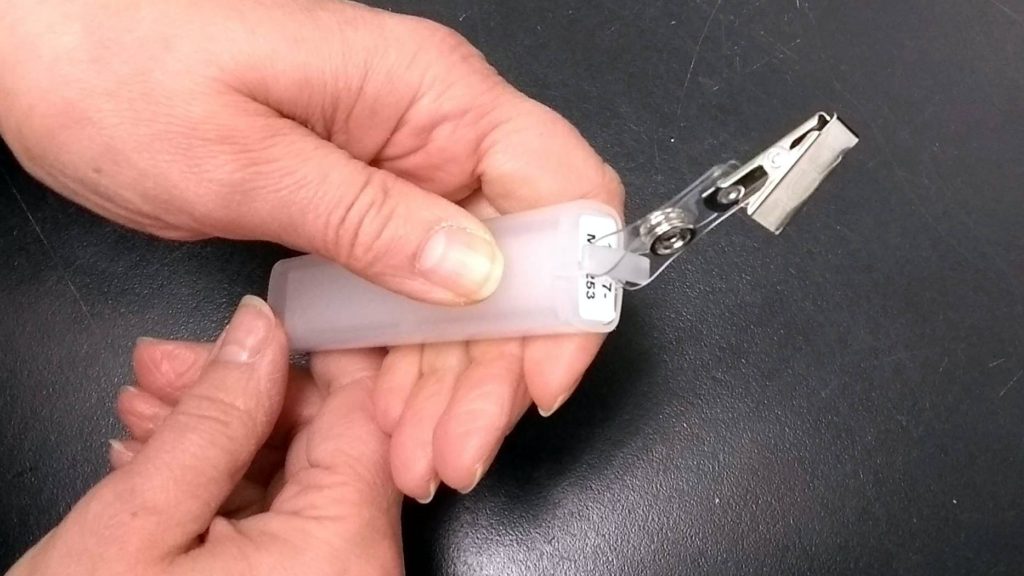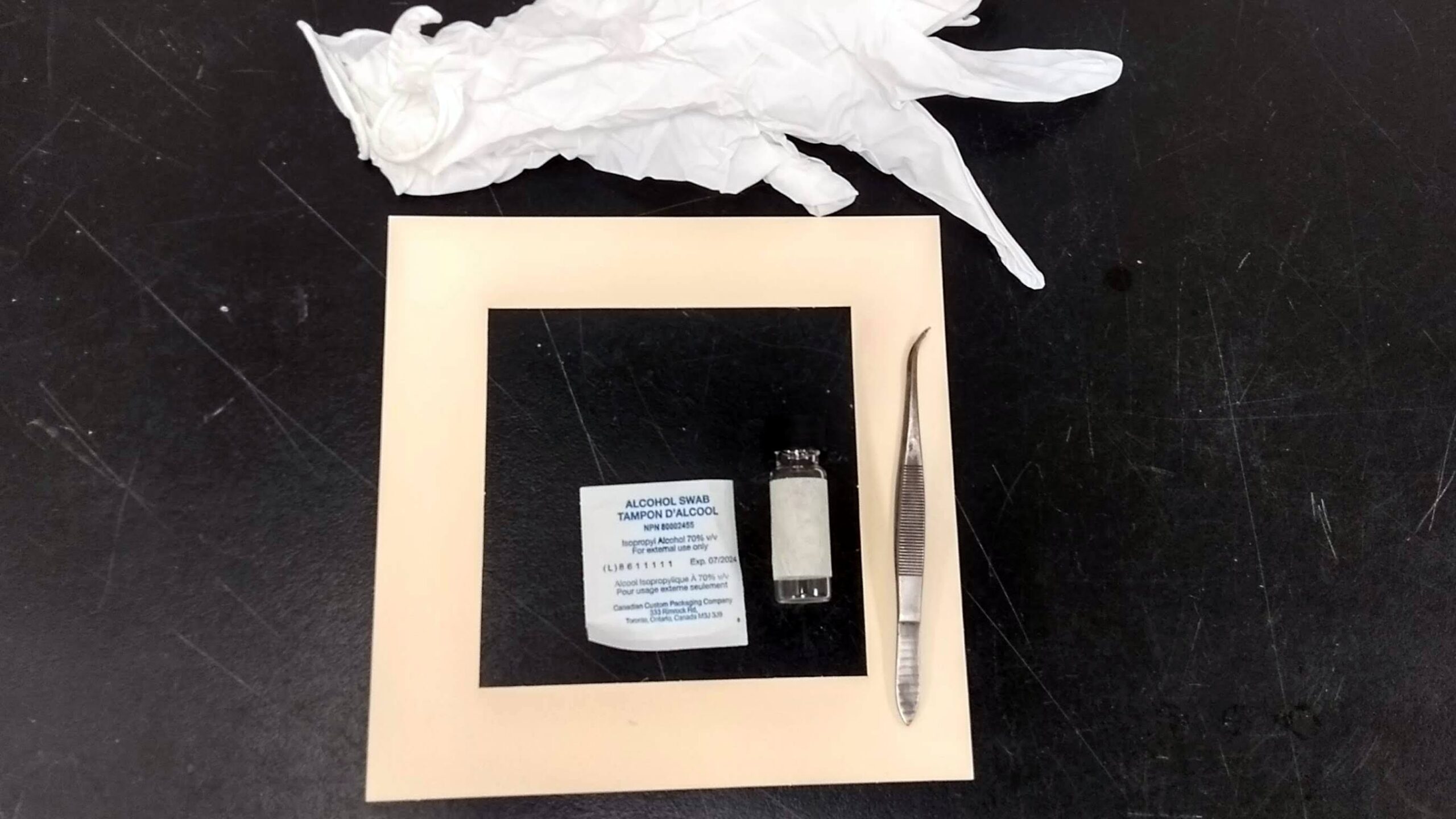
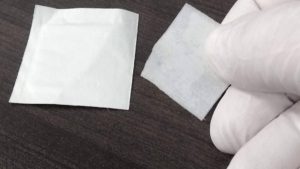
 Pharmaceutical‑grade alcohol pads are a familiar tool in laboratory environments. Those tiny 1″ by 1″ pieces of tissue saturated with 70% isopropyl alcohol or ethanol, these pre‑moistened wipes are engineered to disinfect skin, small surfaces, and medical instruments. Their portability and sterility make them a convenient option when proper sampling media is unavailable.
In environmental science and occupational hygiene, alcohol pads can serve as a temporary, stop‑gap sampling medium—but only for specific analytes. Understanding when they are appropriate, and when they will compromise your results, is essential for defensible data and successful laboratory analysis.
When Alcohol Pads Can Be Used for Surface Sampling
Alcohol wipes are acceptable for a limited set of surface contaminants where the target analytes are not chemically reactive with alcohol and where the wipe matrix does not interfere with extraction or detection.
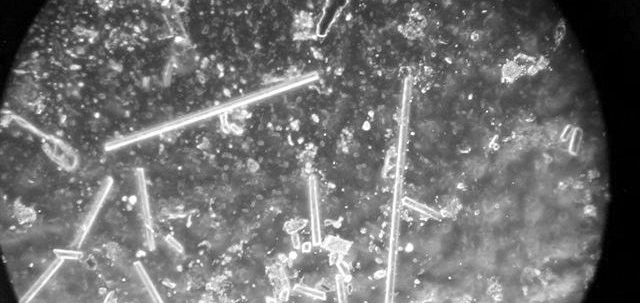
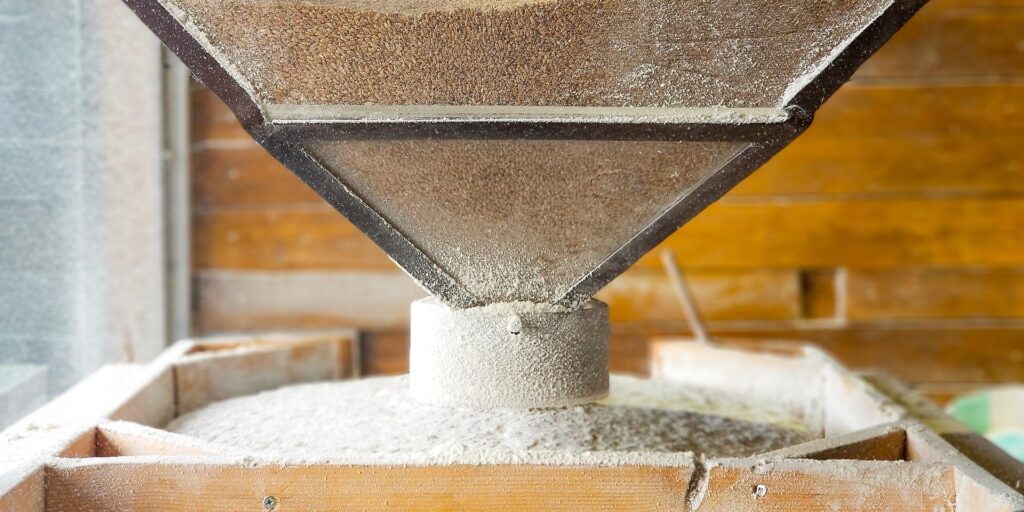
✔ Silica (Crystalline Silica)
Alcohol pads can effectively lift fine silica dust from smooth, non‑porous surfaces. The alcohol evaporates quickly, leaving the particulate matter intact for laboratory processing.
✔ Nicotine
Nicotine residues on surfaces—common in smoking‑impacted environments—can be collected using alcohol wipes. The solvent helps dissolve and mobilize nicotine without degrading it.
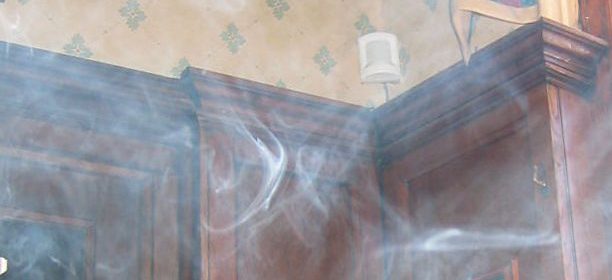
✔ Soot Analysis
Soot particles, including carbonaceous combustion residues, adhere well to the moist surface of an alcohol pad. The wipe does not chemically alter the soot structure needed for microscopy or chemical screening.
✔ Fire‑Related Dust Identification
Post‑fire residues often include char, ash, soot, and combustion by‑products. Alcohol wipes can capture these materials without interfering with qualitative identification.
When Alcohol Pads Cannot Be Used
Certain contaminants are incompatible with alcohol wipes due to chemical interactions, extraction challenges, or interference with microscopy. Using alcohol pads for these materials will result in sample rejection.
✘ Polycyclic Aromatic Hydrocarbons (PAHs)
PAHs are semi‑volatile organic compounds that can dissolve in alcohol, altering their concentration and distribution. This makes accurate quantification impossible.
✘ Metals and Lead
Alcohol wipes introduce organic residues that interfere with metals digestion and instrumental analysis. Metals may also bind unpredictably to the wipe substrate.
✘ Residential Dust for Microscopy
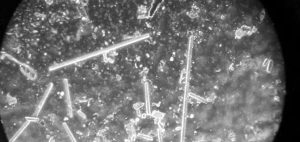
Microscopic dust characterization requires intact particle morphology. Alcohol pads distort, dissolve, or smear fine particulate structures, making them unsuitable for defensible microscopy.
Do Not Substitute Alcohol Pads with Household Materials
Kleenex, toilet paper, napkins, paper towels, and similar products cannot be used as sampling media. These materials:
- Shed fibers that contaminate the sample
- Contain additives (lotions, fragrances, binders) that interfere with analysis
- Absorb or trap particles inconsistently
- Are not sterile or chemically neutral
Samples collected on these materials will be rejected because they cannot produce reliable, defensible results.
Why Alcohol Pads Work Only in Specific Situations
Alcohol wipes are designed for disinfection, not environmental sampling. Their use in surface sampling is strictly situational: they provide a clean, sterile, disposable medium when proper wipes or cassettes are unavailable. For routine or regulatory sampling, laboratories typically supply validated media. Alcohol pads should be viewed as a temporary alternative, not a universal solution. If you have questions about proper sampling materials or whether alcohol wipes are appropriate for your project, you’re welcome to contact LCS Laboratory for guidance.