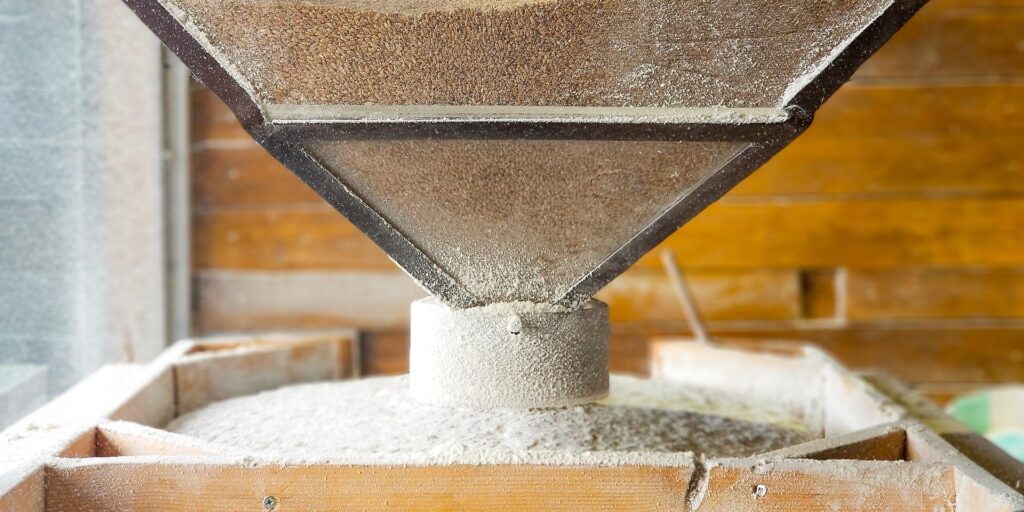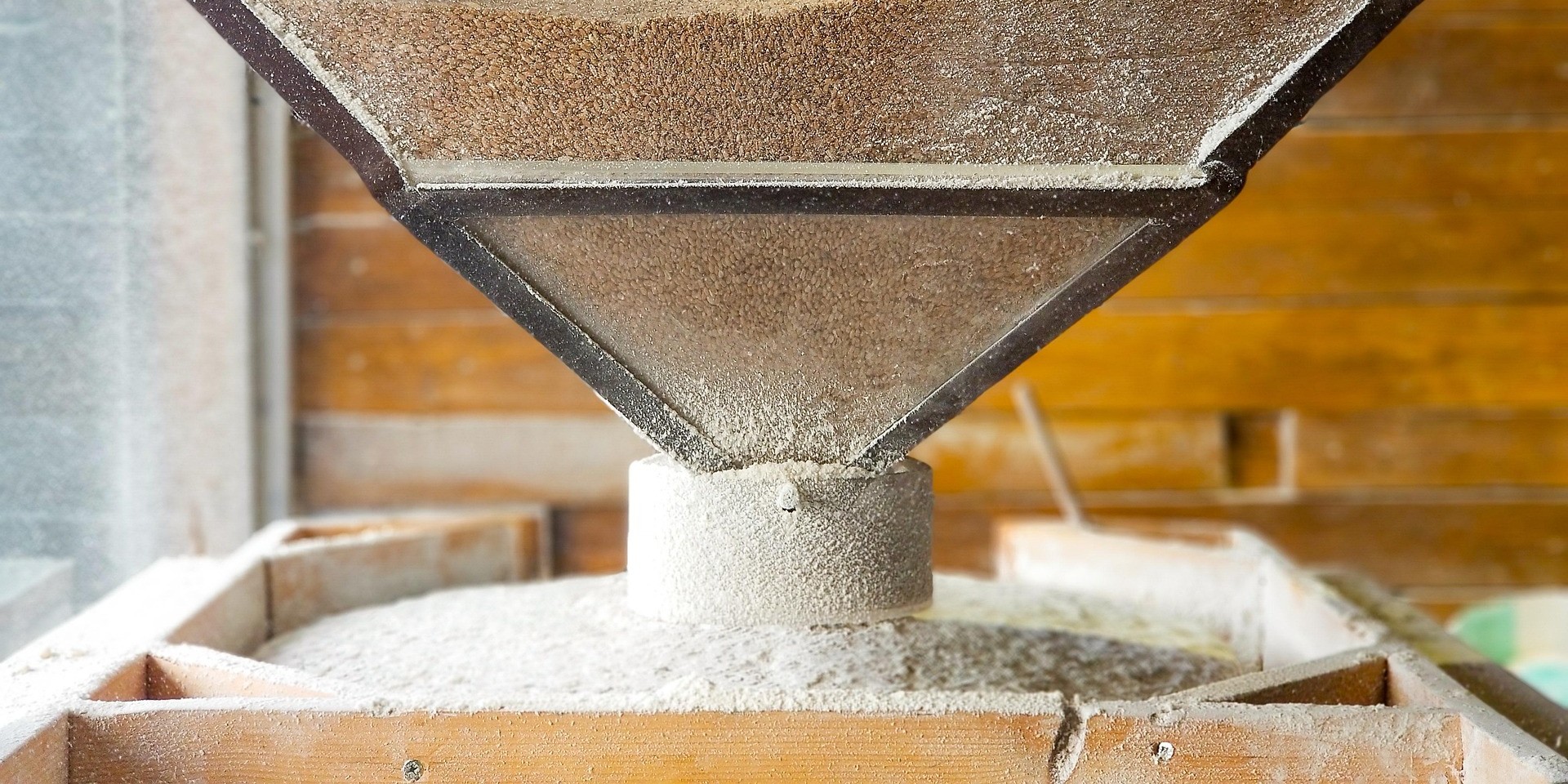
 Airborne proteins are an emerging concern in food production, agriculture, and any workplace where biological materials are handled, processed, or transported. Common allergens, such as milk and egg proteins, plant and grain residues, and animal‑derived proteins, can easily become aerosolized during routine operations. Even at low concentrations, the protein dust may contribute to worker sensitization, respiratory irritation, and unintentional cross‑contamination of the products.
Total Protein Air Sampling by LCS Laboratory
To support industries that need to identify and control exposure to biological dust, LCS Laboratory now provides Air Sampling for Total Proteins—a specialized analytical service grounded in established industrial hygiene practices. The method is based on NIOSH 0500/0600 or MDHS 14/4 sampling principles and enhanced with a classical A280 UV‑spectroscopy procedure for protein quantification.
How the Sampling Process Works
Air Dust Collection
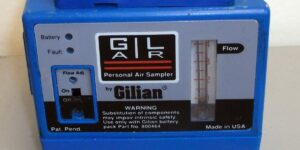
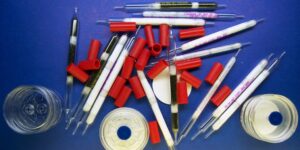
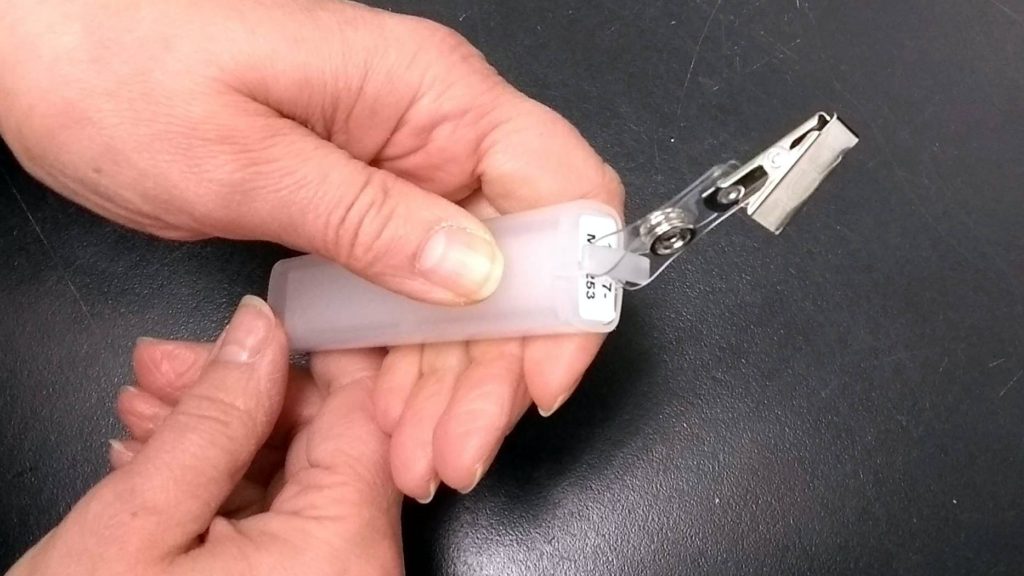
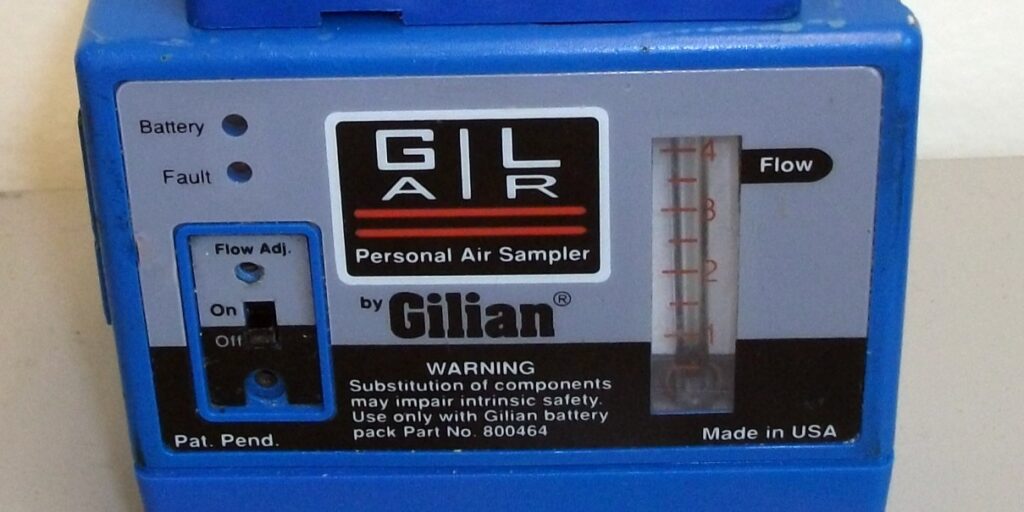
Air sampling is performed using standard NIOSH 0500 or MDHS 14/4 protocols. Personal air sampling pumps collect airborne dust on PVC filters, typically over a full work shift.
- The collected sample is first analyzed for Total Dust, providing an assessment of exposure to Particles Not Otherwise Regulated (PNOR).
- This step offers a sensitivity of 100 µg per sample.
Protein Extraction and A280 Analysis
After total dust measurement, the filter undergoes a protein‑specific extraction process:
- Proteins are solubilized, and insoluble particles are removed.
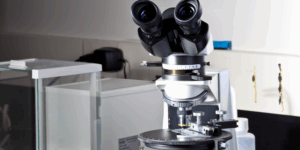
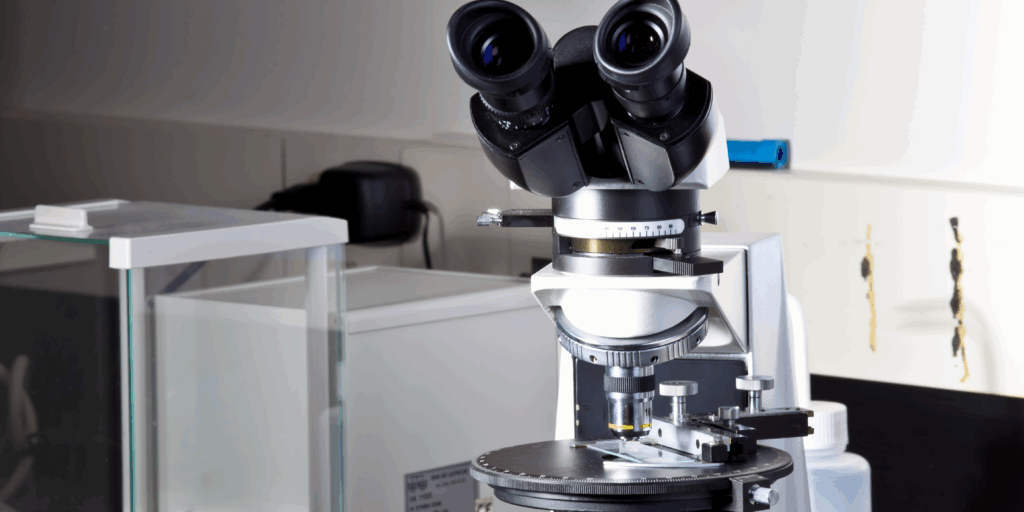
- The resulting solution is analyzed at 280 nm, the wavelength where aromatic amino acids absorb UV light—this is the basis of the A280 method.
- Protein concentration is quantified against a reference standard with a sensitivity of 50 µg per sample.
This combined approach provides a reliable, defensible measurement of total airborne proteins in your facility.
Support for Your Safety and Quality Programs
If airborne proteins are a concern to your industry, or if you suspect biological dust may be contributing to worker symptoms or product contamination, our laboratory is ready to help. Contact LCS Laboratory to discuss how this testing can strengthen your occupational hygiene program and support compliance, risk reduction, and continuous improvement. ©