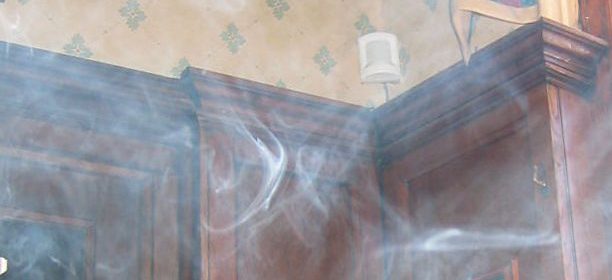
 Propylene glycol (PG) is a major component of most electronic cigarette (vape) liquids. In indoor environments, elevated concentrations of PG in air are generally associated with vaping activity and are rarely observed in the absence of such sources. For this reason, it can be used as a chemical indicator for assessing secondhand and thirdhand vaping in apartments and office spaces.
LCS Laboratory now offers laboratory kit with laboratory analysis of propylene glycol in indoor air with sensitivity sufficient to evaluate low-level exposures relevant to residential and commercial environments.
Air Sampling Method
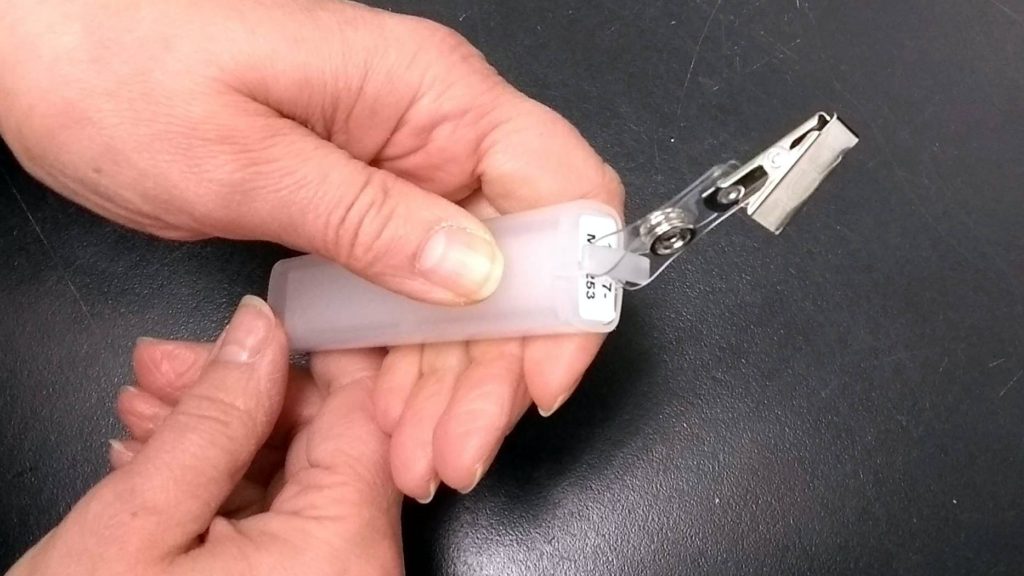
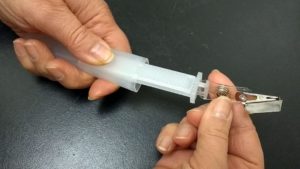
Air samples are collected using passive diffusive samplers. The samplers do not require pumps, power, or calibration and are suitable for unattended deployment.
-
Sampling duration: 7 days
-
Sampling approach: Time-weighted average passive diffusion
-
Target analyte: Propylene glycol
During the sampling period, airborne propylene glycol is adsorbed onto the sampler media. After sampling, the devices are returned to the laboratory in London, Ontario for analysis.
Laboratory Analysis
Propylene glycol is extracted from the sampling media using a modified MAK (Germany) analytical method originally developed for propylene glycol collected on charcoal. The extracts are analyzed by Gas Chromatography – Mass Spectrometry (GC-MS SIM) providing high selectivity and sensitivity for PG in indoor air samples.
Method Sensitivity
-
Analytical detection limit: approximately 0.2 µg per sample
-
Equivalent detection limit in air: approximately 0.5 µg/m³ for a 7-day sample, suitable for assessment of secondhand and thirdhand vaping
Interpretation of Results
Published scientific literature suggests the following concentration ranges for propylene glycol in indoor air:
-
< 0.5 µg/m³ Typical urban background concentration. No indication of thirdhand vaping.
-
0.5 – 30 µg/m³ Consistent with thirdhand vaping, likely originating from adjacent spaces or shared air pathways.
-
30 – 300 µg/m³ Consistent with secondhand vaping, likely occurring within the sampled room.
-
> 300 µg/m³ Indicative of frequent or ongoing vaping in the sampled space.
Interpretation should consider building layout, ventilation, and potential migration from adjacent units.
Applications
This test is intended for professional use, including:
-
Indoor air quality investigations
-
Residential and commercial building assessments
-
Evaluation of compliance with no-vaping policies
-
Support of tenant, landlord, or property management inquiries
The sampling process is straightforward and does not require specialized training. For questions related to sampling strategy, and analytical details please contact LCS Laboratory to discuss specific project requirements.